
The Allure of Chance and Uncertainty
The inherent unpredictability of casino games captivates players, drawing them into a world where anything is possible. This aspect of chance feeds a fundamental part of human psychology, as individuals often find excitement in uncertainty. The thrill of placing a bet, knowing that the outcome is entirely out of their control, creates a visceral experience that can elicit powerful emotions. Many players are also drawn to the chance of enjoying a fast withdrawal casino uk , where the anticipation of a potential win can lead to an adrenaline spike, making the player crave more. The allure of chance not only provides an escape from daily life but fundamentally alters one’s mood, creating an addictive cycle of risk-taking that many find hard to resist.
Moreover, the concept of randomness in games serves as a psychological magnet. Humans are naturally inclined to decipher patterns, and the experience of trying to predict outcomes adds a layer of excitement. Players often develop superstitions or personal strategies in an attempt to gain some semblance of control over the chaotic nature of chance. This psychological need to impose order on randomness can create a compelling narrative for the player, making each game feel like a new opportunity to rewrite their own story or alter their fate. The more unpredictable the game, the more intense the psychological engagement, keeping players hooked for longer periods.
The dichotomy of hope and despair is also essential to the psychology of casino games. The potential for winning large sums of money creates an environment where dreams linger in the air, fueling aspirations of wealth and success. On the flip side, the possibility of loss often leads to feelings of regret and frustration. Nonetheless, the thrill of hope can override the negativity of losses, enticing players to return despite adverse outcomes. This interplay between hope, chance, and the personal narratives players craft around their experiences plays a pivotal role in their psychological engagement, ensuring that the cycle of gambling continues.
The Role of Environment and Design
The physical design and ambiance of a casino significantly contribute to the psychological experience of gambling. Casinos are carefully crafted environments, designed to be visually stimulating and to evoke an atmosphere of excitement and indulgence. Bright lights, vibrant colors, and ringing sounds create a sensory overload that enhances the feeling of exhilaration. This approach is intentional; by stimulating multiple senses, casinos increase players’ emotional involvement, making them more likely to lose track of time and money. The environment itself becomes a part of the gaming experience, drawing players deeper into the thrill of the games.
In addition to the visual and auditory stimuli, the layout of casinos is strategically planned to foster a sense of ease and immersion. Players are often positioned deep within the casino floor, which minimizes their awareness of the outside world and creates a ‘time-warp’ effect. This design leads to prolonged gambling sessions, as players are less likely to notice the passing of time or the depletion of their funds. The deliberate arrangement of gaming areas encourages players to explore, often leading them to play longer and spend more than they initially intended. This psychological strategy is a deliberate technique to keep players engaged and invested in the experience.

Another vital element is the use of rewards and incentives that casinos employ to boost player morale and retention. Compulsive gamblers are often motivated by rewards that provide a sense of accomplishment and success, even if these rewards are minute. Slot machines, for example, are designed to offer frequent small wins that generate excitement and encourage continued play. This reinforcement mechanism, combined with the casino’s supportive environment, creates a powerful psychological feedback loop, further drawing players into the experience. Understanding how these design elements work together can illuminate the reasons behind the addictive nature of casino games.
The Impact of Social Interaction
Social interaction in casinos is an integral part of the gambling experience, contributing significantly to its psychological appeal. Many people choose to gamble in a social setting, where they can share the highs and lows of their experiences with friends or other players. This sense of community enhances the enjoyment of games, as individuals find camaraderie and support in their shared pursuits. The social aspect also plays into a person’s desire for belonging, creating connections that can mitigate the risks of isolation often associated with gambling. In this context, gambling becomes not just about winning money, but about building relationships and sharing experiences.
Moreover, group dynamics and peer influence can alter an individual’s gambling behavior. The competitive nature of gambling can lead to an escalation of bets, as players seek validation and excitement from those around them. This social pressure can amplify the thrill of the game, leading to heightened emotional responses and potentially reckless decisions. The psychological effect of group mentality often overrides individual caution, making players more likely to gamble beyond their means. As such, understanding the social context of gambling is crucial for recognizing both its positive and negative impacts on individual behavior.
However, the social element can also highlight the darker sides of gambling addiction. As individuals become entangled in a social gambling network, they may feel compelled to continue playing to maintain their standing within the group. This peer-driven cycle can lead to significant financial and emotional consequences, reinforcing the need for awareness of the psychological motives behind gambling behaviors. Understanding this social dimension is vital for recognizing both the benefits and risks associated with communal gambling experiences, ultimately informing strategies to promote responsible gambling.
The Temptation of Winning: Near-Misses and Loss Aversion
A significant psychological aspect of casino games is the concept of near-misses and how they affect player behavior. The phenomenon occurs when a player comes close to winning; for example, getting two matching symbols on a slot machine instead of three. These near-misses can be just as psychologically stimulating as winning, providing a fleeting sensation of success that can often lead players to continue gambling in hopes of achieving that elusive win. This creates a false sense of progress and often blinds players to the actual odds, reinforcing their gambling habits despite losses. The thrill of a near-miss can keep players engaged, leading them to believe that a win is just around the corner.
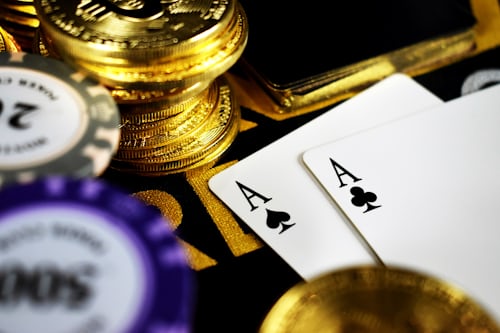
Loss aversion, a fundamental principle in behavioral economics, further explains why players may be drawn back to gambling, even after experiencing significant losses. This principle suggests that individuals feel the pain of losses more acutely than the pleasure derived from equivalent gains. Consequently, players may gamble more in attempts to ‘win back’ lost money, falling into a cycle of chasing losses. This behavior not only illustrates a lack of rational decision-making but also highlights the emotional turmoil that accompanies gambling, reinforcing the need for understanding and intervention. Players often rationalize their decisions, believing that their next bet will be the one that changes their fortune.
The interplay of near-misses and loss aversion creates a complex psychological landscape that many casino players navigate. This dynamic can obscure objective judgment, leading to continued engagement in gambling activities, despite negative consequences. Players who recognize these psychological traps can better understand their motivations and potentially make more informed decisions regarding their gambling behaviors, fostering a healthier relationship with games of chance. By becoming aware of these influences, individuals can take steps to mitigate their impact on their gambling choices.
The Importance of Awareness and Responsible Gaming
As the psychological factors behind casino games become clearer, the significance of awareness and responsible gaming emerges. It is essential for both players and operators to understand the psychological influences at play to foster a healthier gambling environment. Awareness programs highlighting the emotional and cognitive impacts of gambling can help players recognize the signs of problem gambling, allowing them to seek assistance before it’s too late. Responsible gaming initiatives that promote moderation, limit-setting, and education also serve to mitigate the risks associated with gambling. These measures aim to empower players to make informed choices and maintain control over their gambling activities.
In recent years, there has been a growing emphasis on the importance of mental health in relation to gambling behaviors. Operators have begun to implement strategies that focus on player well-being, including self-exclusion programs and tools that promote self-monitoring of time and spending. By prioritizing the psychological health of players, the industry can contribute to creating safer spaces where individuals can enjoy the thrill of gaming without falling prey to addiction. This forward-thinking approach emphasizes the need for a balanced relationship with gambling, encouraging players to engage responsibly and thoughtfully.
Ultimately, the psychology of casino games reveals a multifaceted world where human emotions, social interactions, and environmental factors intersect. Understanding these dynamics can lead to more responsible gaming practices that prioritize player health and enjoyment. As the gambling landscape continues to evolve, ongoing research and dialogue surrounding the psychological aspects of gaming will be crucial in fostering a safe and enjoyable experience for all participants. By advocating for awareness and responsible gaming, we can help ensure that the thrill of gambling remains a source of fun rather than a pathway to addiction.
Recent Comments