
The Concept of Luck in Gambling
Luck has long been a focal point of casino culture, often deemed a crucial factor in the outcome of games. Players frequently believe in the concept of luck, attributing their wins and losses to the whims of chance. This belief manifests in various superstitions, such as carrying lucky charms or performing rituals before placing bets. For those looking for an exciting experience, online pokies with payid can add a layer of fun to their gameplay, while luck undoubtedly plays a role in games of chance, the degree of its influence can vary greatly depending on the game and the player’s approach, often affecting their overall experience.
For instance, in slot games, the outcome is purely based on random number generators, meaning that players have no control over the results. This creates a perception that luck is entirely responsible for wins. However, games like poker require a blend of skill and strategy, where luck might influence individual hands, but a skilled player has a greater chance of winning consistently over time. This understanding of the distinction between luck and skill can profoundly affect the player’s perspective and enjoyment during their casino experience.
Moreover, the psychology of gambling suggests that a belief in luck can enhance a player’s experience. When players feel lucky, they may be more inclined to take risks and place larger bets, potentially leading to greater rewards or losses. This emotional connection to luck can create an exhilarating environment within casinos, where the anticipation of a lucky break keeps players engaged and excited. However, it is crucial for players to balance this excitement with responsible gambling practices to ensure a positive experience.
Luck vs. Strategy: How They Interact
The interaction between luck and strategy plays a pivotal role in determining outcomes in many casino games. While luck can influence immediate results, a well-thought-out strategy can significantly enhance a player’s chances over time. For example, in card games like blackjack, knowing when to hit or stand can mean the difference between winning and losing. Players who blend luck with strategic thinking often find themselves enjoying more consistent results, which can lead to a more fulfilling experience.
Additionally, seasoned players understand that luck is not a constant; it can shift and change throughout a gaming session. This understanding allows them to adapt their strategies as needed. For instance, if a player notices a streak of bad luck, they might decide to lower their betting amounts or switch to a different game altogether. This flexibility emphasizes the importance of strategic thinking, revealing that while luck can dictate short-term outcomes, effective strategies can lead to better long-term performance and satisfaction.
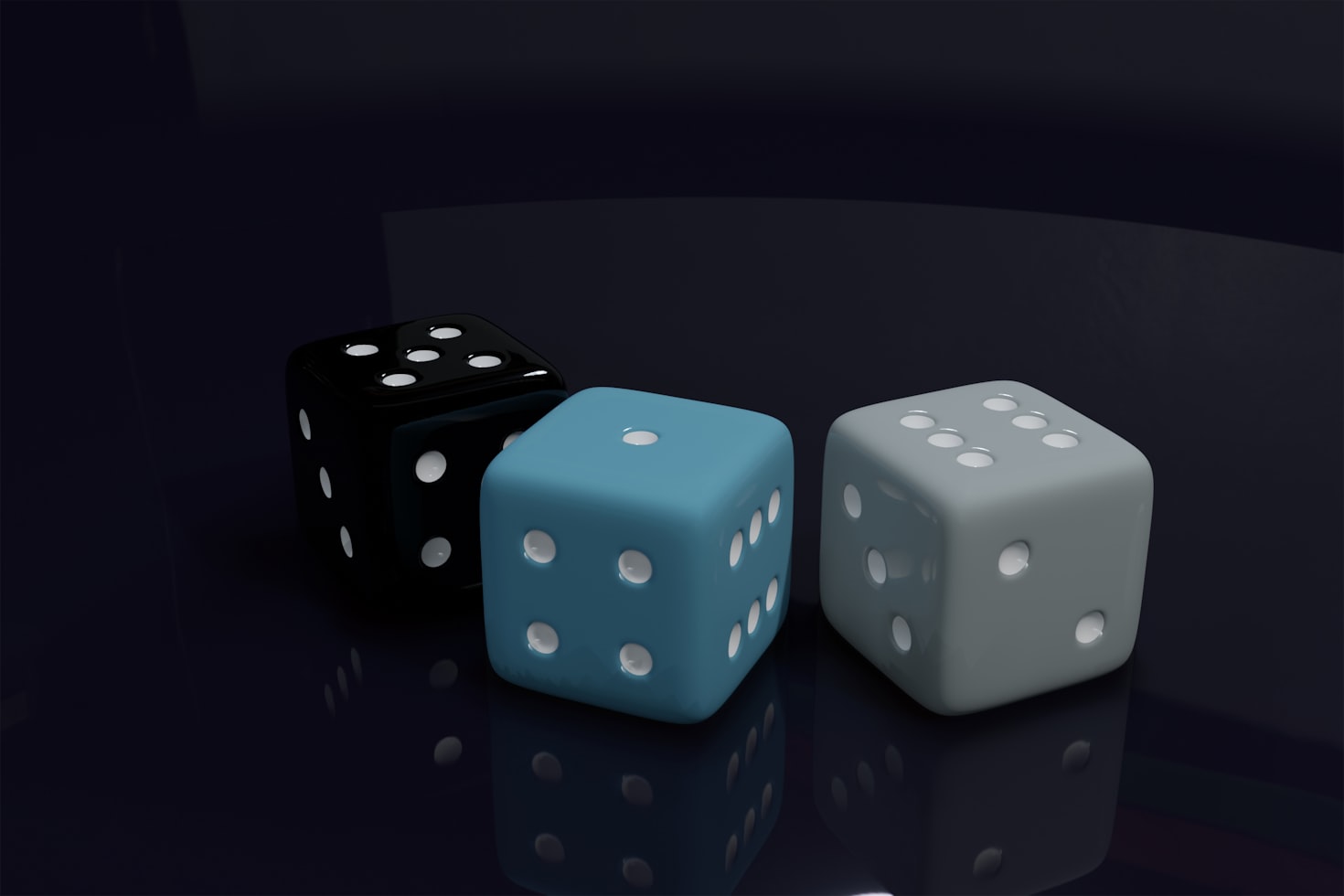
The blend of luck and strategy illustrates the multifaceted nature of gambling. While players may rely on fortunate streaks, those who approach gaming with a strategic mindset often find themselves more satisfied with their casino experiences. This balance can help mitigate the risks associated with gambling and cultivate a more enjoyable atmosphere within the casino, fostering an environment where players can thrive regardless of the inherent unpredictability of luck.
The Role of House Edge and Game Mechanics
Understanding the house edge is crucial for any player hoping to navigate the casino landscape successfully. The house edge refers to the mathematical advantage that the casino has over players in various games. While luck might influence individual outcomes, the house edge ensures that, over time, the casino will generally make a profit. This reality means that no matter how “lucky” a player feels, the odds are structured in favor of the house in the long run.
Different games exhibit varying levels of house edge, impacting how luck affects players’ experiences. For example, games like roulette typically have a higher house edge compared to games like blackjack, where skilled players can reduce the edge through strategic play. Consequently, players may experience different levels of satisfaction and excitement based on their understanding of these mechanics. Recognizing how game structure works alongside luck can empower players to make informed decisions about where to place their bets.
Ultimately, the dynamic between luck and house edge highlights the complexity of the gaming experience. Players must balance their belief in luck with an understanding of the odds, which can lead to heightened emotions or frustration depending on the outcomes. This relationship offers both a challenge and an opportunity, driving players to explore strategies that can help mitigate the effects of the house edge while still allowing for the thrill of chance.
The Psychological Impact of Luck on Players
The belief in luck can profoundly affect casino players on a psychological level. Many individuals experience a boost in confidence and enjoyment when they perceive themselves as lucky, which can significantly enhance their overall gaming experience. This psychological phenomenon is often amplified by wins, reinforcing the idea that luck is a critical component of their success. Conversely, consistent losses can lead to frustration and a diminished sense of enjoyment, resulting in a less favorable perception of the casino environment.

Interestingly, casinos are designed to maximize feelings of luck and excitement. Bright lights, sounds of winning machines, and celebratory interactions cultivate an atmosphere where players feel optimistic about their chances. This psychological baiting can lead to increased spending and longer visits as players chase the high of perceived luck. However, understanding these psychological tactics can help players stay grounded in the reality of gaming odds and outcomes, leading to a more balanced and enjoyable experience.
Ultimately, acknowledging the psychological impact of luck highlights the importance of responsible gambling. Players should strive to enjoy the thrill of chance while remaining aware of their emotions and behaviors. This understanding can help mitigate potential negative experiences stemming from misplaced reliance on luck, allowing players to engage with casinos more positively and responsibly, thus enjoying a richer experience overall.
Exploring Resources for Smart Gaming
For those interested in navigating their casino experiences more wisely, numerous resources offer valuable guidance. Websites dedicated to gambling strategies provide insights into the nuances of luck versus skill, helping players make informed decisions. These platforms often cover various topics, from basic game rules to advanced strategies that can enhance players’ chances of success. Utilizing these resources can empower players to approach gaming with a more informed mindset.
Additionally, educational platforms may offer simulations and tutorials, allowing enthusiasts to understand the mechanics of different games before they step into a casino. This practice enables players to refine their strategies and approach each game with a clearer understanding of the dynamics at play. By leveraging these resources, players can cultivate a deeper appreciation for the gaming experience, blending luck with informed decision-making.
Moreover, many social communities exist where players can share experiences and strategies, facilitating a supportive environment for those looking to improve their game. Engaging with other players allows individuals to discuss their views on luck and strategy, creating an enriching atmosphere that enhances the overall casino experience. Embracing such community resources can help establish a balanced approach to gaming, ultimately leading to a more enjoyable and rewarding experience.
Recent Comments