
Understanding the Basics of Bluffing
Bluffing is an essential skill in poker that can separate the great players from the good ones. At its core, bluffing involves making your opponents believe you have a stronger hand than you actually do. This psychological tactic can be incredibly powerful when executed correctly. For those interested in the broader world of gaming, the excitement of casino environments like 1win can enhance the overall experience. However, it’s important to understand the fundamentals of when and how to bluff to maximize its effectiveness. Knowing your opponents’ tendencies and the context of the game are vital components in deciding whether a bluff will succeed or fail.
In poker, players often rely on information gleaned from the betting patterns and body language of their opponents. A successful bluff often requires careful observation of these non-verbal cues and a deep understanding of game theory. For instance, if you notice that an opponent is cautious or overly tight, they may be more susceptible to a bluff. Conversely, if they exhibit aggressive play, bluffing against them could backfire spectacularly, as they may be more inclined to call your bet.
Timing is another critical element to consider when bluffing. Effective bluffing typically works best in specific situations, such as when the community cards present favorable conditions for an aggressive play. Utilizing position at the table can also enhance your chances of pulling off a successful bluff. If you’re one of the last players to act, for example, you have the advantage of gauging your opponents’ reactions before making your move. Understanding these basic principles sets the foundation for mastering more complex bluffing strategies.
Types of Bluffs in Poker
There are several types of bluffs that players can employ in poker, each with its unique strategy and timing. The most common types are the pure bluff and the semi-bluff. A pure bluff occurs when you have a weak hand and are attempting to convince your opponents to fold. This tactic requires a deep understanding of your opponents’ behaviors and the game dynamics, as it relies on their perception of your strength. Conversely, a semi-bluff is used when you have a drawing hand that could improve on future streets, which provides a bit more security since you may still end up with a strong hand.
Another effective bluffing technique is the “squeeze play,” typically implemented in multi-way pots. This tactic involves making a significant bet after several players have already invested in the hand. The idea is to capitalize on the previous betting action and force the earlier players to fold. This strategy can be particularly effective if the initial players are perceived to be weaker or uncertain about their hands. Understanding when to execute a squeeze play can significantly enhance your bluffing repertoire.

Advanced players may also employ a “double-barrel bluff,” which involves continuing to bluff on the turn after initially doing so on the flop. This technique can be powerful, particularly if the turn card supports your perceived range of strong hands. By applying consistent pressure, you can force opponents into making difficult decisions. Mastering these different types of bluffs allows you to adapt your strategy based on factors such as position, table dynamics, and the playing style of your opponents.
Reading Your Opponents
Being able to read your opponents is a critical aspect of bluffing successfully. This skill involves observing and analyzing their betting patterns, physical tells, and emotional responses during a hand. For example, when a player suddenly becomes overly quiet or agitated, it may indicate that they are either very pleased or disappointed with their hand. Learning to differentiate between genuine strength and a potential bluff from your opponents is a crucial part of the bluffing process.
Another element of reading opponents involves understanding their ranges. Skilled players often categorize their opponents based on frequency and type of hands they play. Identifying which players are likely to be holding strong hands versus weaker hands allows you to tailor your bluffing strategy accordingly. Engaging in conversations with other players outside of hands, while observing their playstyle, can also provide invaluable insight into their tendencies, helping you make more informed decisions.
It’s also essential to recognize the overall table dynamics when attempting to bluff. If a player has been consistently aggressive throughout the session, they might not be the right target for a bluff. On the other hand, a player who frequently folds under pressure may present an ideal opportunity for a strategic bluff. The ability to adjust your approach based on the players at your table greatly improves your chances of executing a successful bluff.
Common Mistakes in Bluffing
Even seasoned players can fall victim to common bluffing mistakes that can lead to disastrous outcomes. One of the most prevalent errors is bluffing too often or at inappropriate times. Consistency in your betting strategy is essential, as over-bluffing reveals a predictable pattern to keen observers. If players can discern that you frequently bluff, they are more likely to call your bets, rendering your attempts ineffective. Balancing your bluffing frequency with solid value bets is crucial to maintaining an unpredictable presence at the table.
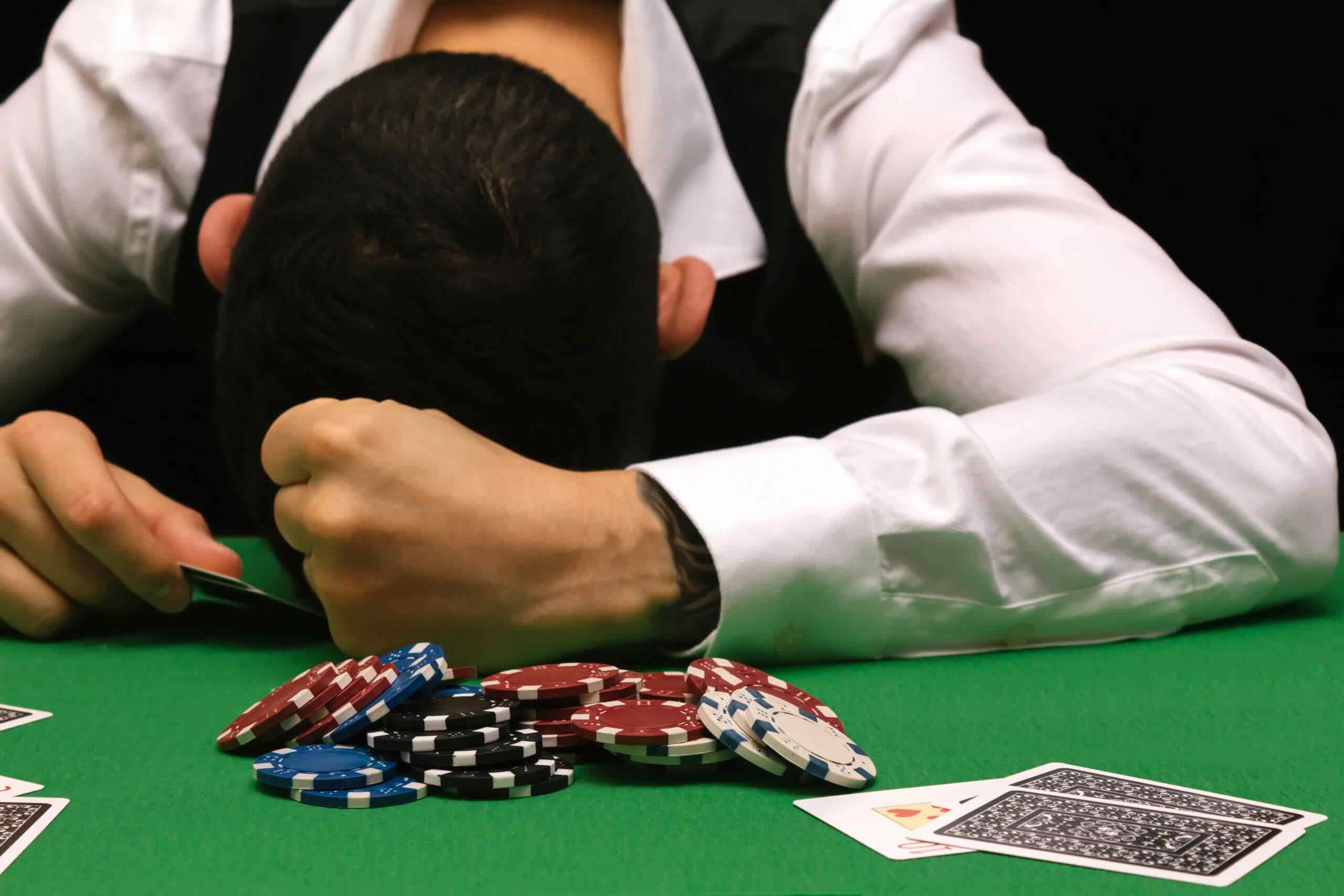
Another mistake is failing to consider your table image before attempting a bluff. If you’ve been playing passively and suddenly make a large bet, your opponents may view your action with suspicion. Conversely, if you’ve been aggressive, they may be more inclined to believe your strong hand. Keeping track of how your opponents perceive your playstyle is vital to the success of your bluffing strategy. Adjusting your approach based on this perception can significantly improve your chances of winning those crucial pots.
Additionally, many players overlook the importance of understanding the board texture when bluffing. If the community cards present a coordinated board, it’s more challenging to convince your opponents that you have a strong hand. Understanding what kind of hands could realistically be out there based on the board can help you decide if a bluff is plausible. Avoid falling into these common traps, and focus on refining your approach to become a more strategic and successful bluffer.
Your Go-To Resource for Poker Strategies
For those eager to enhance their poker skills, including mastering the art of bluffing, there are numerous resources available. From online forums to tutorial videos, players can find a wealth of information that covers every aspect of poker strategy. Engaging with fellow enthusiasts can also open up opportunities to share insights and learn from one another. As poker continues to evolve, staying updated with the latest strategies and trends is vital for maintaining a competitive edge.
Moreover, consider dedicating time to practice in various environments, including both live games and online platforms. Each setting presents unique challenges and opportunities for bluffing, allowing players to develop their skills in diverse scenarios. Taking advantage of free play options can help hone your techniques without risking real money, providing a safe environment to experiment with your bluffing strategies.
Ultimately, mastering bluffing requires dedication, practice, and a commitment to understanding the game on a deeper level. Whether you’re just starting your poker journey or looking to sharpen your skills, the right resources and a strategic mindset will equip you with the tools necessary to elevate your game. Emphasizing continuous learning and adapting to your opponents will make you a formidable player at any poker table.
Recent Comments